Breathe Better. Live Prettier. Discover Vapodyn →


Creating the Perfect Sleep Environment with Smart Humidity Control

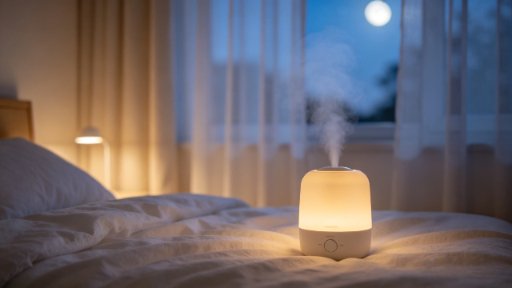
Quality sleep is the foundation of health — and humidity plays a surprisingly large role in how well you rest. Here’s how to create a sleep environment that helps you fall asleep faster and wake up refreshed.
The Sleep-Humidity Connection
Research shows that bedroom humidity between 40% and 50% is optimal for sleep. Here’s why:
Prevents Snoring
Dry air irritates nasal passages and throat tissues, causing swelling that restricts airflow. Proper humidity keeps airways open and reduces snoring.
Supports Melatonin Production
Your body’s temperature regulation is closely tied to melatonin release. Optimal humidity helps maintain the slight drop in core temperature that signals your body it’s time to sleep.
Reduces Nighttime Disruptions
Dry air causes throat irritation and coughing that can wake you throughout the night. Consistent humidity eliminates these interruptions.
Bedroom Humidity: Common Mistakes
Mistake 1: Over-humidifying Above 60% humidity creates a stuffy, uncomfortable environment and encourages dust mites.
Mistake 2: Running humidifiers on auto-pilot Nighttime humidity needs differ from daytime. Smart systems adjust automatically.
Mistake 3: Ignoring noise levels A loud humidifier defeats the purpose. Look for units operating below 30dB — ideally below 25dB.
Building Your Ideal Sleep Environment
The Foundation
- Temperature: 65-68°F (18-20°C)
- Humidity: 40-50% relative humidity
- Light: Complete darkness or dim red lighting
- Sound: White noise or complete silence
The Humidifier Factor
Choose a bedroom humidifier with these features:
| Feature | Recommendation |
|---|---|
| Noise Level | <25 dB for undisturbed sleep |
| Tank Size | 250ml+ for all-night operation |
| Night Light | Adjustable warm glow (optional) |
| Auto Shut-Off | Essential safety feature |
| Smart Control | Set-and-forget scheduling |
The Vapodyn Sleep Solution
Vapodyn’s whisper-quiet operation (<25 dB) makes it ideal for bedrooms. The AI-driven system maintains consistent overnight humidity without waking you — or your partner.
Models with ambient night lighting provide gentle illumination for nighttime navigation without disrupting melatonin production.
A Simple Evening Routine
- 2 hours before bed: Set humidity to 45%
- 1 hour before bed: Dim lights and turn on any ambient features
- At bedtime: Let smart controls manage the rest
- Morning: The unit automatically adjusts for daytime levels
Conclusion
Small environmental changes create significant sleep improvements. By controlling humidity with the same intentionality you apply to light and temperature, you transform your bedroom into a true sleep sanctuary.
Looking for the Perfect Humidifier?
At Vapodyn, we specialize in smart humidifiers and aroma diffusers with dynamic steam technology. Contact us for OEM/ODM solutions tailored to your needs.