Breathe Better. Live Prettier. Discover Vapodyn →


Winter Dry Air Survival Guide: Protecting Your Family This Season

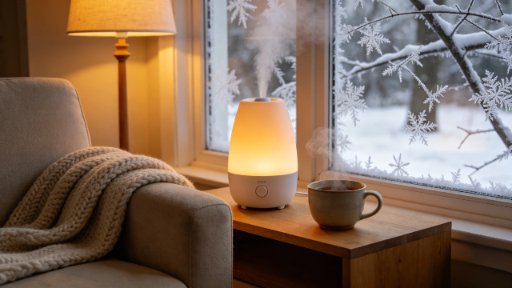
Winter brings festive celebrations, cozy evenings — and some of the driest indoor air you’ll experience all year. As temperatures drop and heating systems kick into high gear, humidity levels inside homes can plummet to dangerous lows. This guide will help you and your family survive the winter dry air season.
Why Winter Air Is So Dry
Cold outdoor air holds less moisture to begin with. When that cold air enters your home and gets heated, its relative humidity drops dramatically.
The numbers:
- Outdoor air at 32°F (0°C) with 80% humidity
- Heated to 72°F (22°C) indoors
- Result: Relative humidity falls to approximately 15%
That’s drier than the Sahara Desert.
Symptoms of Winter Dry Air
Your body will tell you when humidity is too low:
- Dry, itchy skin that lotion can’t fix
- Chapped lips and bloody noses
- Scratchy throat and persistent cough
- Static electricity shocks
- Worsening eczema and psoriasis
- Increased susceptibility to colds and flu
Whole-Home Winter Strategy
For Bedrooms
Run a humidifier 2 hours before bedtime and throughout the night. Target 45% humidity for optimal sleep comfort.
For Living Areas
Place a medium-capacity humidifier in the most-used room. Consider a hygrometer to monitor levels.
For Children’s Rooms
Kids are more vulnerable to dry air. Maintain 45-50% humidity and choose units with auto shut-off for safety.
For Home Offices
Combat the double drying effect of heating systems and electronics with a desktop unit.
Winter Humidifier Maintenance Tips
| Challenge | Solution |
|---|---|
| White dust from hard water | Switch to distilled water |
| Faster mineral buildup | Clean weekly instead of bi-weekly |
| Mold risk from closed windows | Never exceed 50% humidity indoors |
| Cold mist feeling | Choose warm mist models for winter |
Beyond the Humidifier
Additional strategies for combating winter dryness:
Hydration: Drink more water than you think you need. Heated indoor air dehydrates from the inside out.
Houseplants: Plants naturally release moisture through transpiration. Snake plants and peace lilies are low-maintenance options.
Water bowls: Place shallow bowls of water near heating vents for passive evaporation.
Shorter, cooler showers: Hot water strips natural oils from skin. Keep showers under 10 minutes.
Smart Winter Settings
With intelligent humidifiers like Vapodyn’s Smart Series, you can program winter-specific schedules:
- 6:00 AM: Ramp up to 45% before the family wakes
- 9:00 AM: Reduce slightly while the house is empty
- 5:00 PM: Increase before everyone returns home
- 10:00 PM: Optimize for sleep comfort
When to Seek Help
Persistent dry air symptoms despite humidification may indicate:
- Undersized humidifier for your space
- Drafts or poor home insulation
- Underlying skin or respiratory conditions
Conclusion
Winter doesn’t have to mean months of discomfort. With the right humidification strategy, you can maintain healthy, comfortable air quality all season long — protecting your family’s health and your home’s integrity.
Looking for the Perfect Humidifier?
At Vapodyn, we specialize in smart humidifiers and aroma diffusers with dynamic steam technology. Contact us for OEM/ODM solutions tailored to your needs.